
4-H KENYA
Africa Clover Network
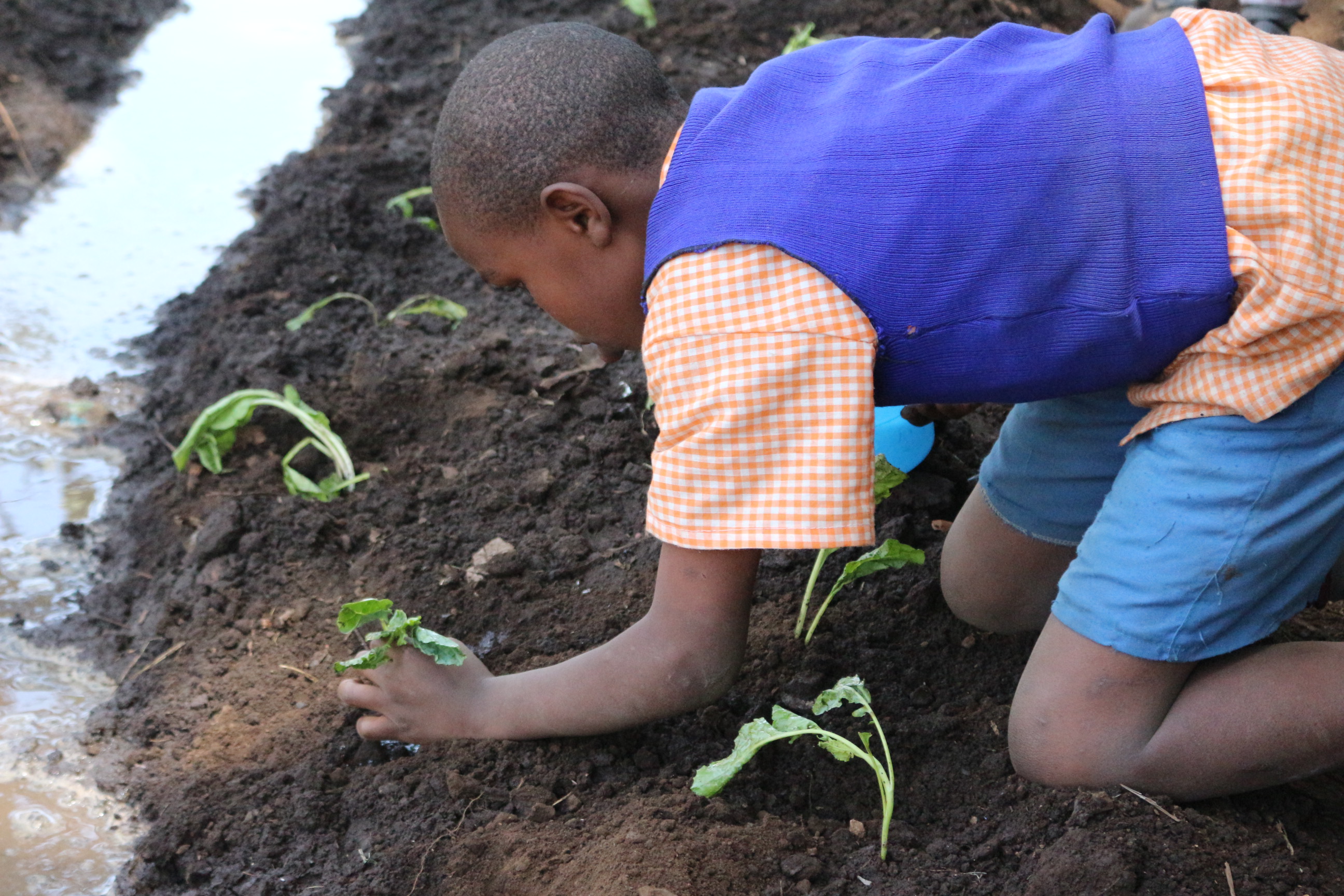
4‑H Kenya is a youth development movement that brings the globally proven 4‑H model to young Kenyans aged 5–25. Rooted in the philosophy of “learning by doing,” we equip youth with the skills, confidence, and character to lead – in their communities, their country, and the world.
Our Story
The 4‑H idea first came to Kenya in 1962 as 4‑K clubs (Kuungana, Kufanya, Kusaidia, Kenya). After a period of decline, the 4‑H Foundation revived the movement in 2014. In 2021, the Government of Kenya launched a national campaign to strengthen 4‑K clubs, with the President as ceremonial patron. Today, under the Africa Clover Network, 4‑H Kenya reaches thousands of youth through schools, colleges, and community clubs.
What We Believe
We build young people across five core outcomes: Competence, Confidence, Connection, Character, and Compassion – leading to positive Contribution. Our model rests on four pillars:
Our Impact
Our members are:
Our Focus (2026–2030)
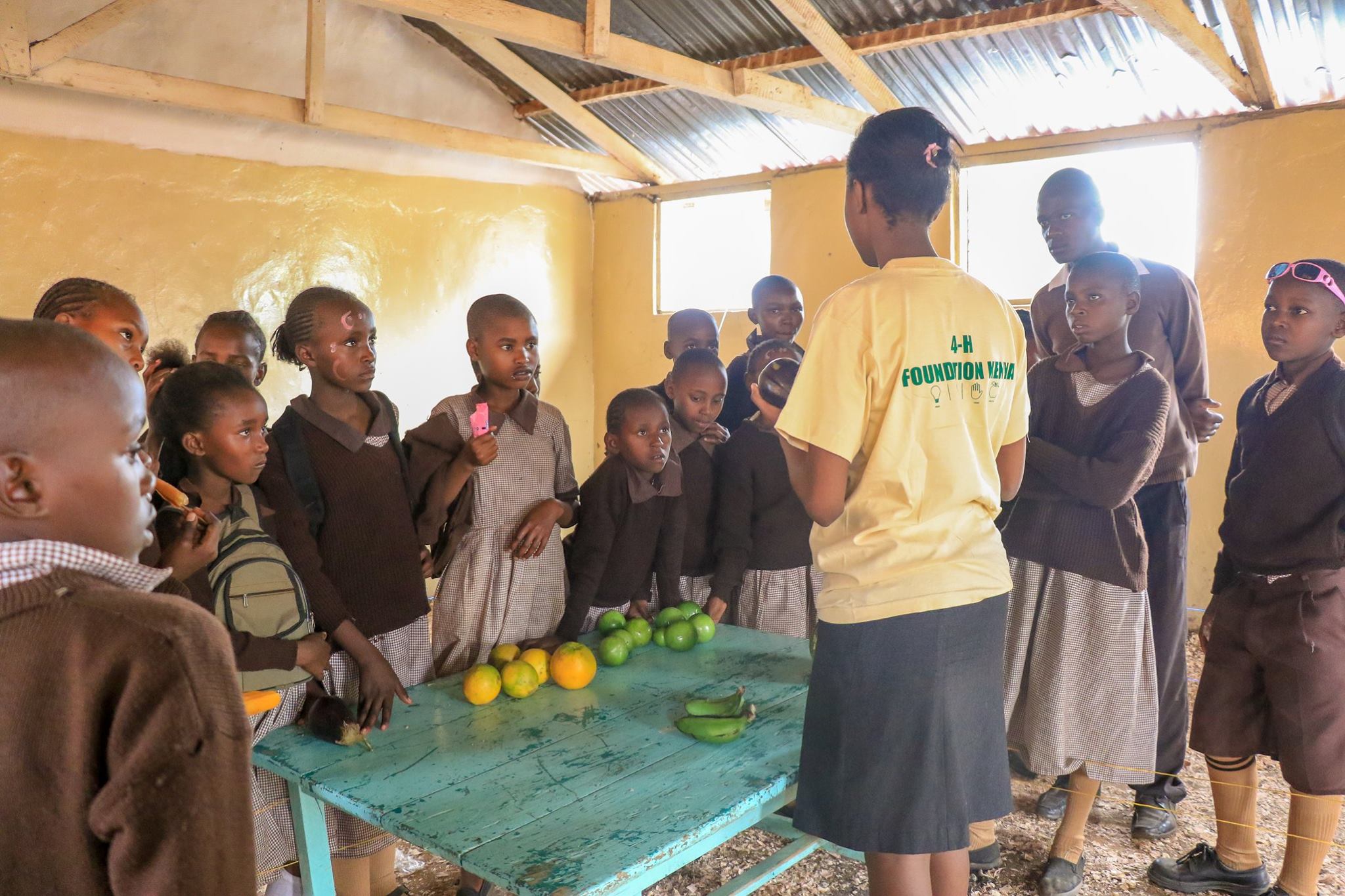
We deliver hands‑on, project‑based programmes in:
The 4‑H Pledge
“I pledge my Head to clearer thinking, my Heart to greater loyalty, my Hands to larger service, and my Health to better living – for my club, my community, my country, and my world.”
Upcoming Events
Stay tuned for exciting 4-H Kenya events, workshops, and exchanges happening near you.
About Us
4-H Kenya is a youth development movement anchored in the global 4-H model — one of the world's oldest and most evidence-backed positive youth development (PYD) frameworks, with over ten million members and programmes active in more than 50 countries. The concept of 4-H was first introduced in Kenya in 1962 as 4-K clubs Kuungana, Kufanya, Kusaidia, Kenya (Uniting, Doing, Helping, Kenya), adapted to focus on practical agriculture and community service. The clubs were active in schools during the 80s and 90s, but waned and eventually collapsed under the structural adjustment programme.
The 4-H Foundation was established in 2014 to revive the 4-K clubs in partnership with the government and other partners, and on February 25, 2021, the Government of Kenya launched a national campaign to bolster 4-K clubs and installed the President as the ceremonial national patron. Today, under the Africa Clover Network, 4-H supports clubs, schools, colleges, universities, non-profit organizations, county governments, the national government, and development partners to bring the transformative power of the 4-H methodology to Kenyan youth (between the ages of 5 and 25) under the philosophy of learning by doing.
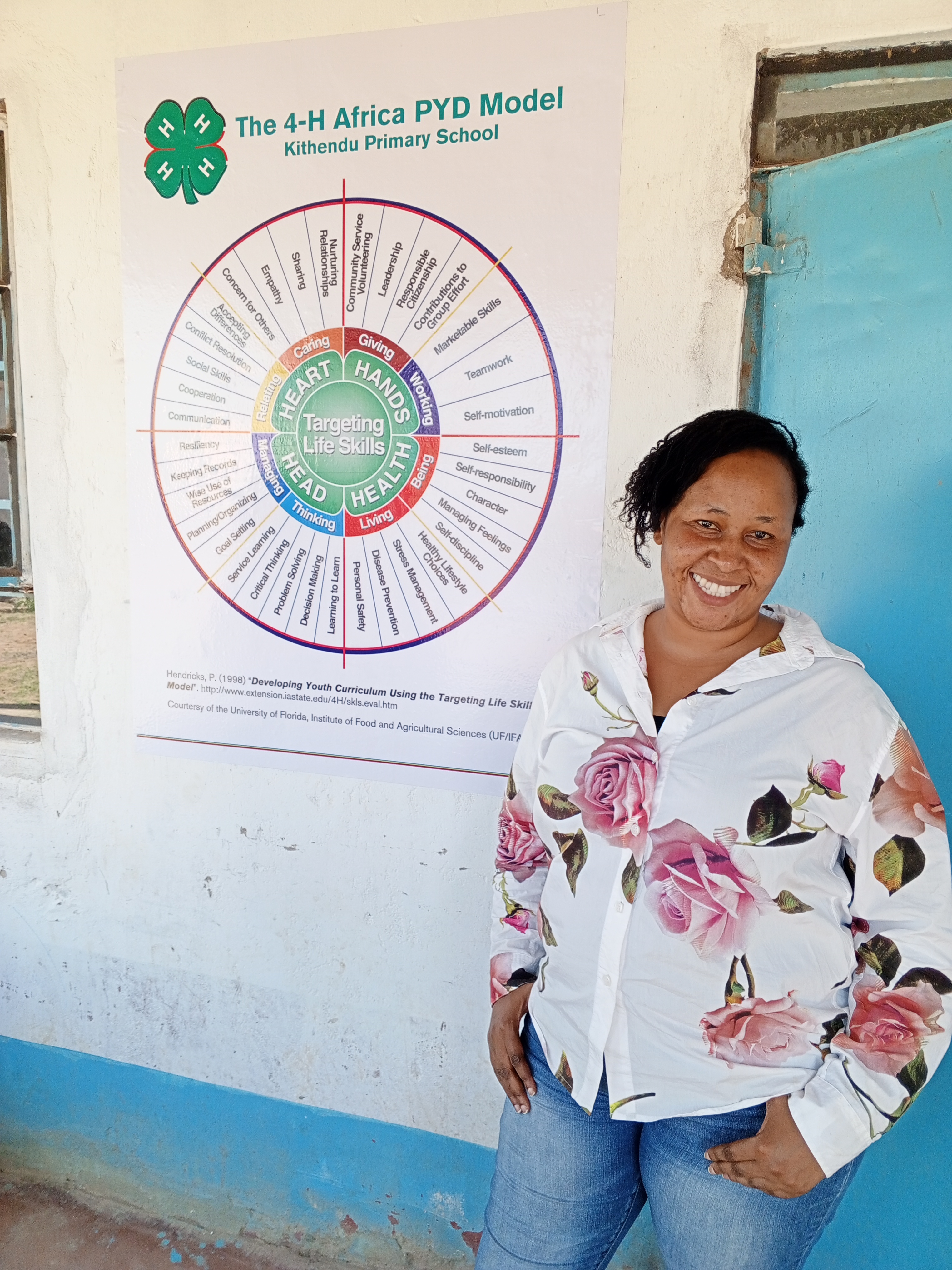
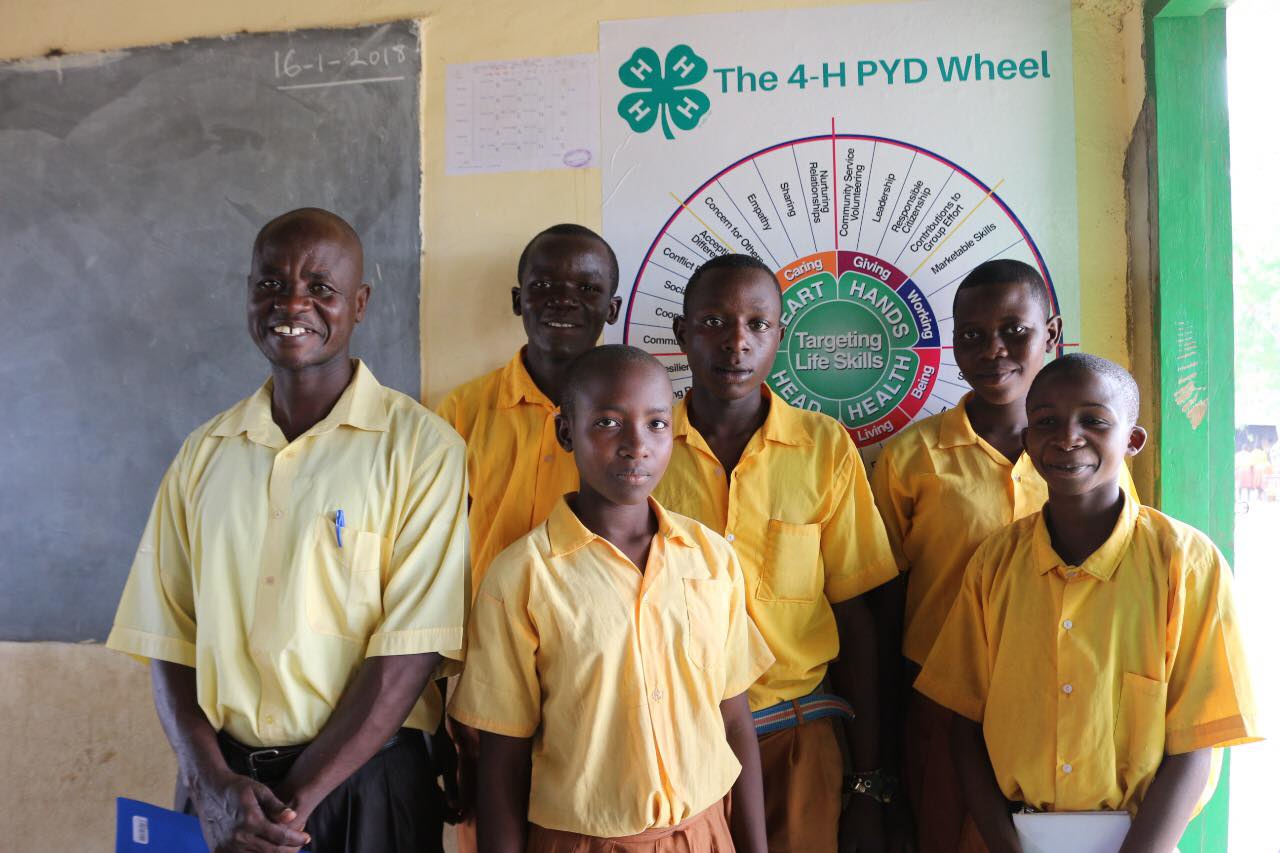
The 4-H model is built on four life skills pillars — Head, Heart, Hands, and Health — focusing on the incremental development of young people across the Five Cs: Competence, Confidence, Connection, Character, and Compassion, equipping them for positive Contribution — as they transition into community and professional leadership. This is not an extracurricular activity. It is a structured, longitudinal investment in the whole person.
Why 4H Exists?
VISION A Kenya — and a continent — where every young person has the skills, confidence, and opportunity to lead and engage in a productive, healthy, and responsible lifestyle.
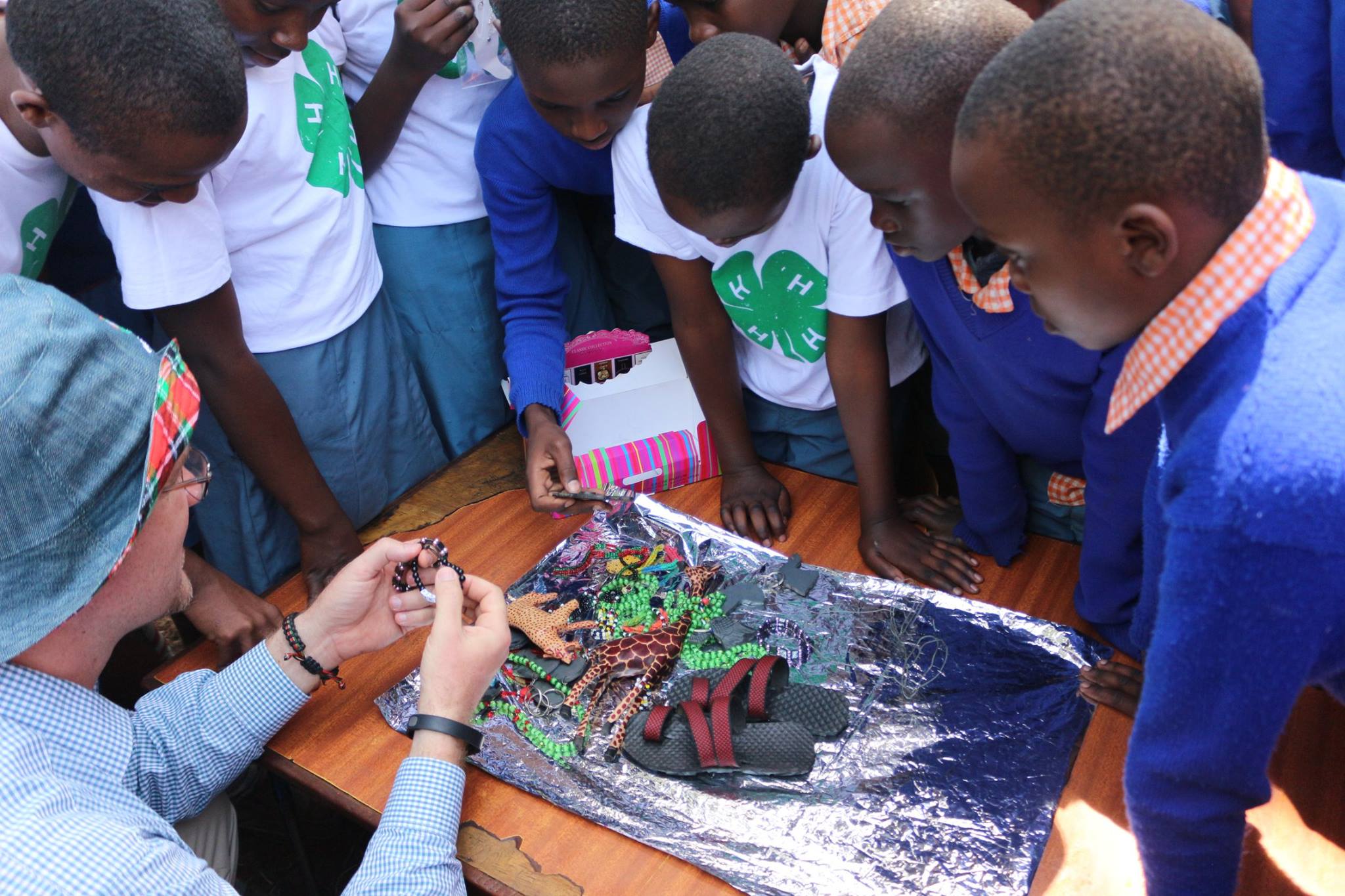
MISSION To support the development of children, adolescents, and young adults into positively contributing citizens through structured, hands‑on programming in agriculture, enterprise, mental health, civic engagement, and climate action — guided by a network of qualified and caring adult mentors and grounded in evidence.
4-H PLEDGE I pledge my Head to clearer thinking, my Heart to greater loyalty, my Hands to larger service, and my Health to better living — for my club, my community, my country, and my world.
Our Philosophy
4-H uses a club-based model to focus on "Head, Heart, Hands, and Health" as pillars to build leadership, civic engagement, and life skills in youth aged 5-25.
Our Core Commitments
Curriculum Framework
Five programmatic priorities cut across every tier, deepening in scope and sophistication as members develop: Agri-food Systems; Livelihoods and Enterprise Development; Mental Health and Wellbeing; Civic Engagement and Global Citizenship; and the Climate Emergency.
The progression logic:
- Agri-food Systems moves from basic plant and animal care (Foundation) through applied value chain management (Leadership) to enterprise-scale agri-food systems and food policy engagement (Mastery/Alumni).
- Livelihoods & Enterprise begins with the concept of earning from doing, advances through business planning and vocational certification, and culminates in incubation, credentialing, and alumni resource mobilisation.
- Mental Health starts with belonging and emotional safety in the club, deepens into evidence-based life skills and de-stigmatisation, and graduates into peer ambassadorship and institutional advocacy.
- Civic Engagement & Global Citizenship grows from club membership as a first civic experience through SDG literacy and national youth structures to Pan-African governance participation and international forum representation.
- The Climate Emergency begins with seasons and weather observation, moves through climate-smart farming techniques and the RCMRD/KSA curriculum integration, and culminates in climate finance advocacy and green economy leadership.
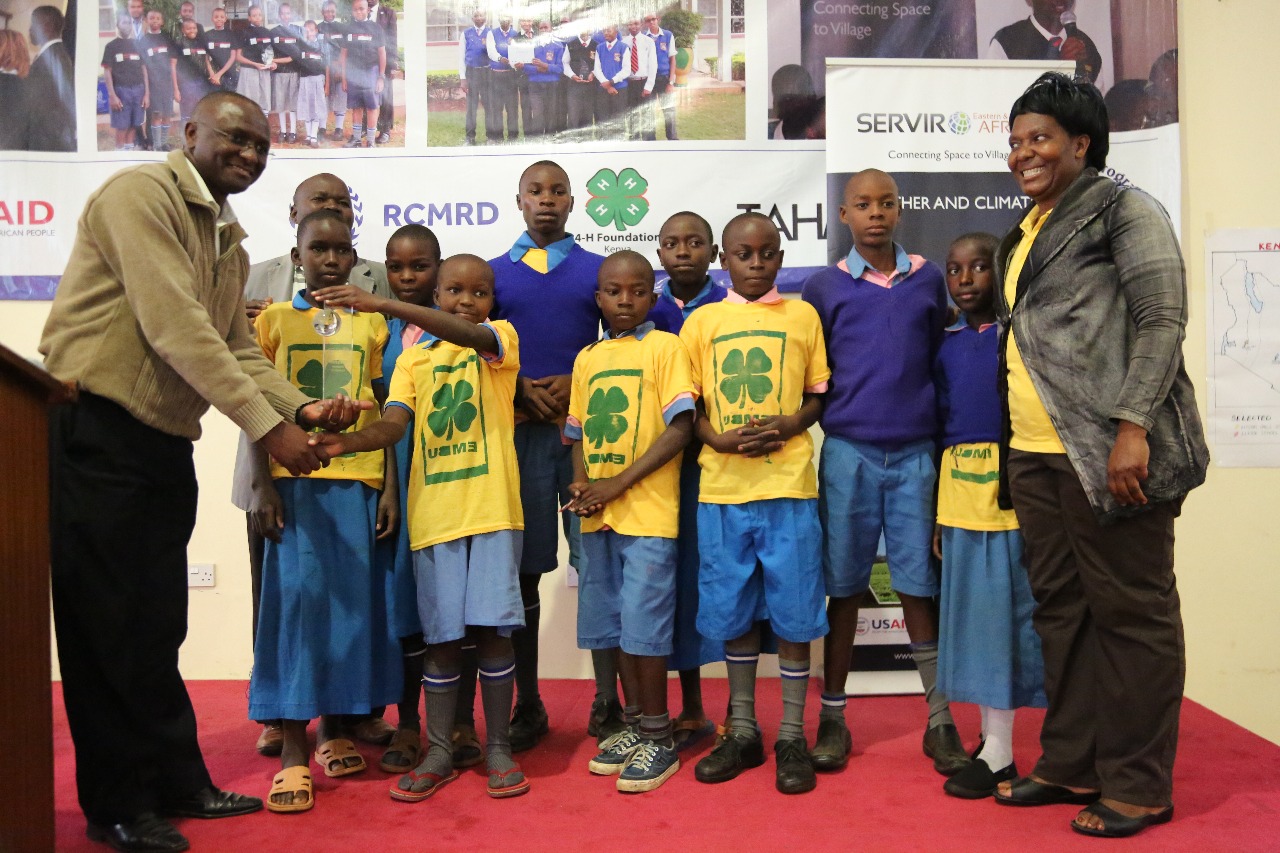
The Vital Role of Club Patrons as Mentors
Club Patrons serve as the foundational pillars of the Positive Youth Development (PYD) framework within 4-H Kenya, acting as much more than traditional instructors. In the club-based setting, these teachers facilitate a "learning by doing" environment where they guide 4-H members to discover their own potential, rather than simply delivering a curriculum. Their training and mentorship ensures that 4-H clubs are not just extracurricular activities, but transformative laboratories where young people feel empowered to take risks, lead projects, and develop the life skills necessary to navigate the complexities of adulthood.
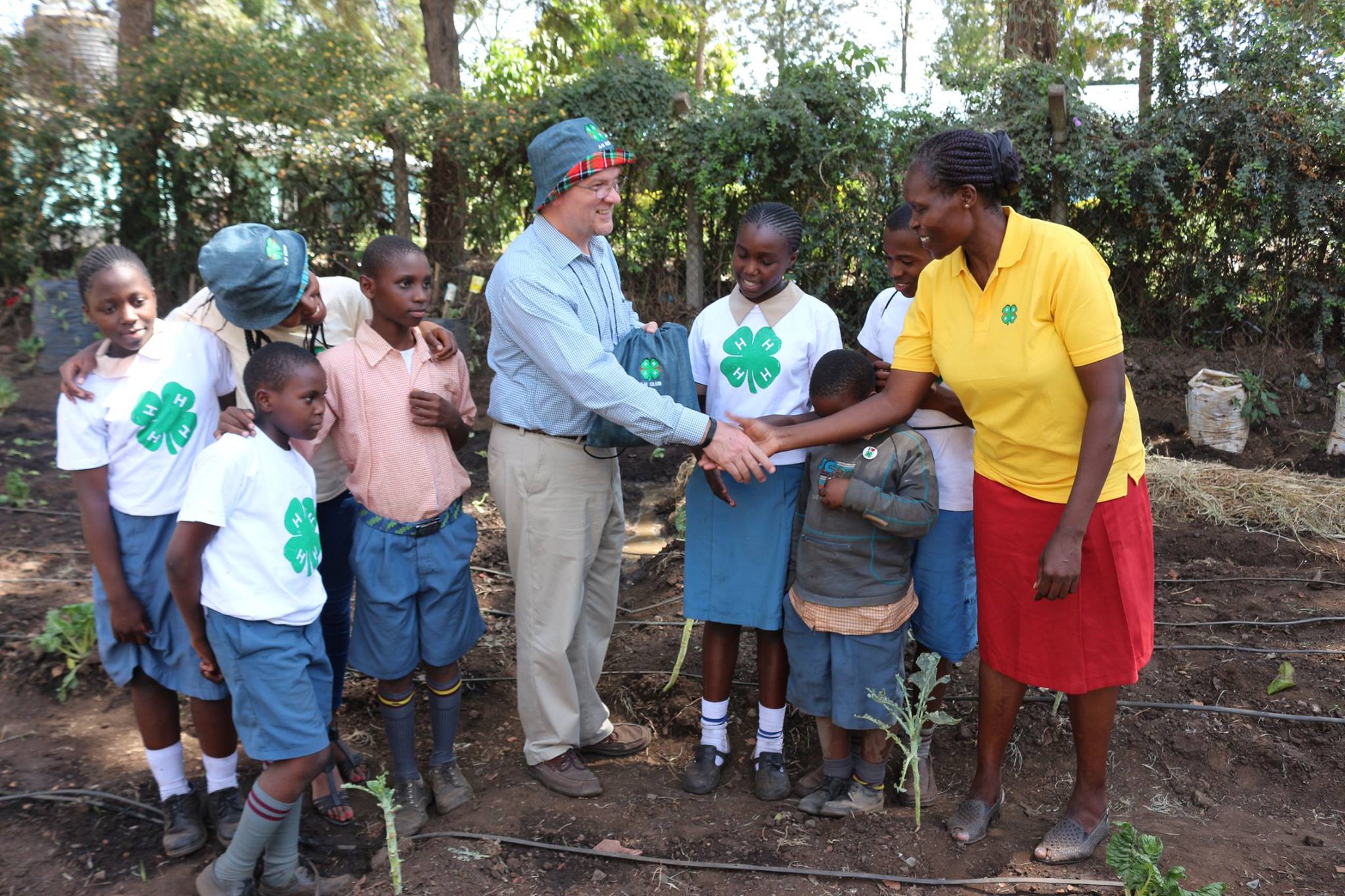
Civic Engagement & Global Citizenship
As one of the five strategic priorities for the 2026–2030 period, 4-H is cultivating the next generation of Kenyan leaders. By utilizing the specialized 4-H Curriculum on Global Citizenship co-developed with the University of Minnesota, this initiative encourages young people to look beyond their local communities and understand their role within a highly interconnected world. The program empowers members to advocate for social change, participate in democratic processes, and practice cultural empathy.
Partner with us.
At 4-H Kenya, we believe that empowering youth is a collaborative mission. To achieve our 2026–2030 goals across Agri-food Systems, Mental Health, and Climate Action, we invite stakeholders from across the spectrum to join us. By partnering with 4-H, you are not just supporting a program; you are investing in a sustainable, resilient, and youth-led Kenya.
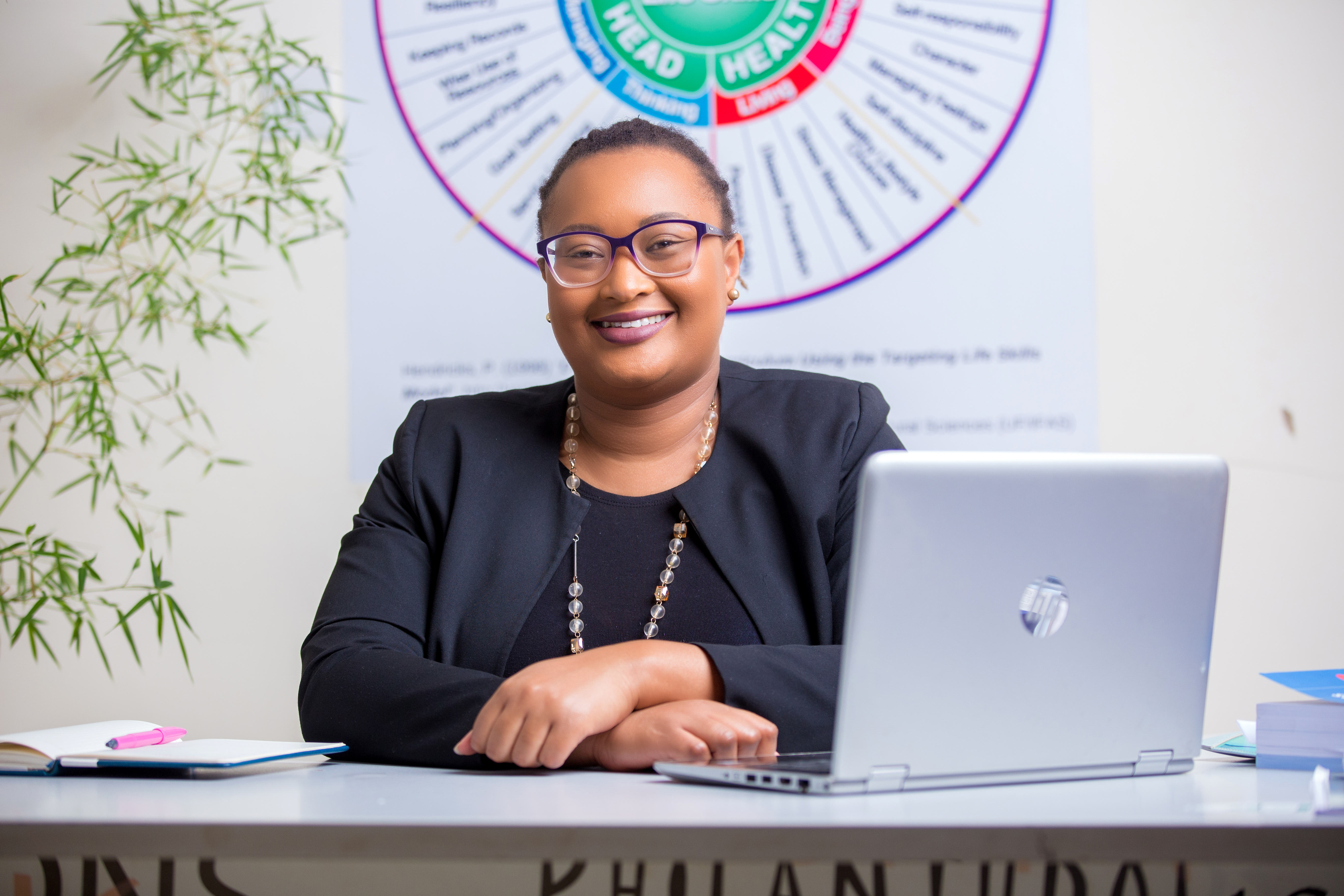
Principal partner. We work with Ministries, State Departments, and national agencies to drive high‑level policy dialogue.
Primary implementing partners. They host County 4-H Networks, provide policy guidance and extension support.
Partner for STEM program development, curriculum validation, and impact assessments.
Foundation of the 4-H movement. Schools appoint a Club Patron and facilitate training.
Bridge education to employment through sponsorships, internships, and digital tools.
Invest in scalable program funding and climate finance initiatives.
Inclusion strategies for marginalized and underserved youth.
Give back through mentorship, resource mobilization, and leadership roles.
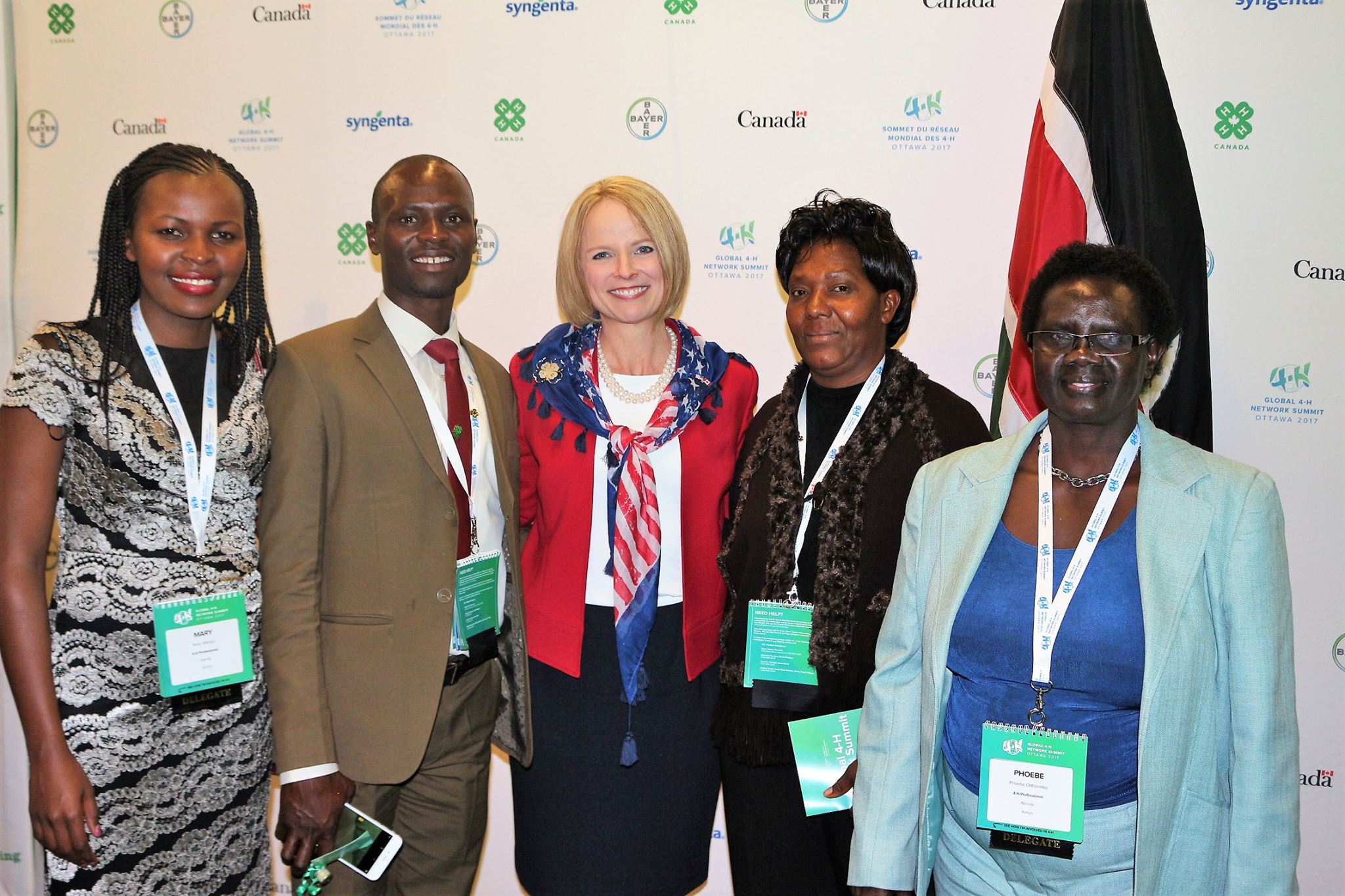
4‑H Kenya Project Sites
Explore our community projects and club locations across the country. Use the search box to find a specific area.
4‑H Kenya Patron Needs Assessment Survey 2026
This survey is designed for 4‑H Club Patrons to help us understand your needs, challenges, and priorities for the 2026–2030 programme cycle.
Your feedback is invaluable – it will directly shape training, resources, and support for patrons across Kenya. The survey takes about 12–15 minutes.
📋 Take the Survey →Contact Us
Mwende Mulili
Executive Director
📧 mwende@4-hkenya.org
📞 +254 723-801-351
🌐 www.4-hkenya.org
✉️ info@4-hkenya.org